13 Jun 2026
Barometric Pressure Variations Shaping Equipment Placement in Soccer Pitches and Racing Circuits
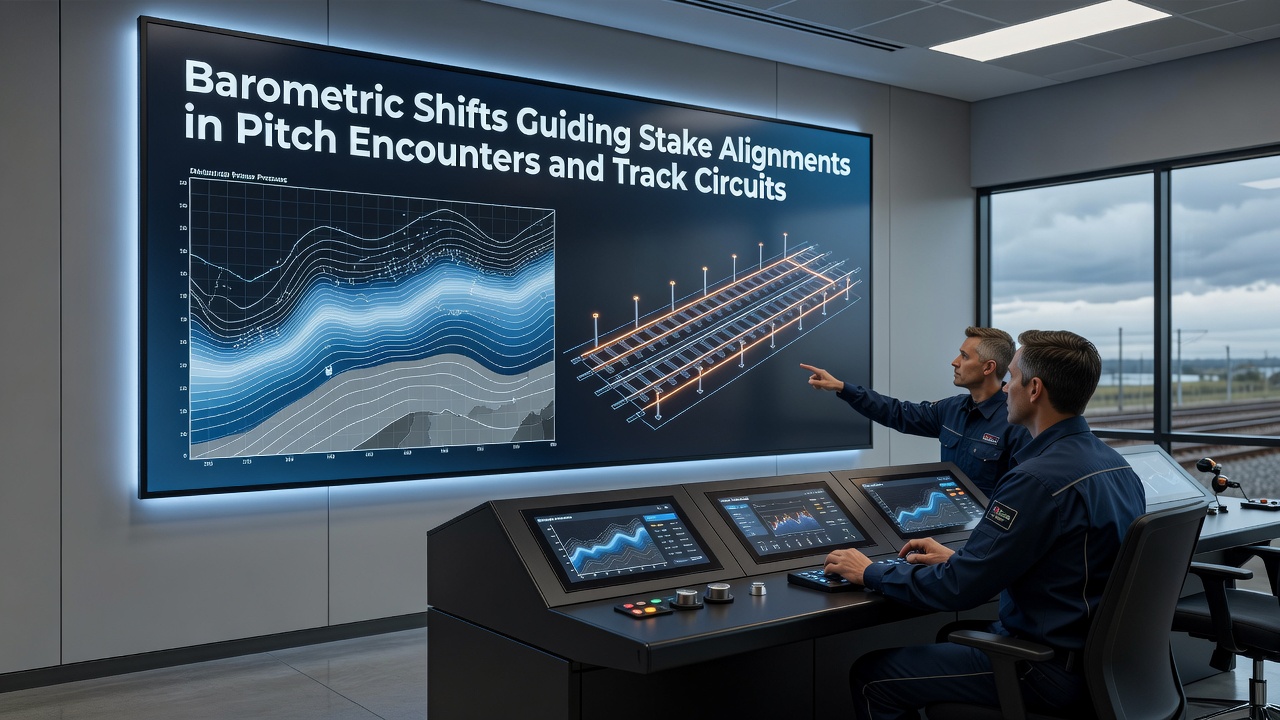
Barometric pressure changes affect how groundskeepers and technicians position stakes, markers, and alignment tools on soccer pitches and horse racing circuits, since air density shifts alter measurement accuracy during setup procedures. Research from meteorological agencies shows that drops or rises in atmospheric pressure modify the way surveying instruments register distances and angles, which in turn influences the final placement of goalposts, corner flags, and track rails.
Technicians often recalibrate their equipment when pressure readings move beyond standard thresholds, because even small variations can shift perceived level surfaces across large areas. Data collected by the National Oceanic and Atmospheric Administration indicates that pressure swings of 10 hectopascals or more require adjustments to laser levels and string lines before major events proceed.
Pressure Effects on Measurement Tools
Electronic distance meters and optical levels respond to changes in air density, which alters light refraction and signal speed during alignment tasks. Observers note that crews working on soccer pitches typically check barometers at multiple points across the field before driving stakes for temporary structures such as advertising boards or medical stations. On racing circuits the same principle applies when teams set starting gate positions or photo-finish camera mounts, where a pressure front moving through the region can change the required offset by several millimeters over a kilometer of track.
June 2026 Field Observations
During early June 2026, multiple European venues recorded rapid pressure declines ahead of seasonal weather systems, prompting crews to remeasure stake lines on both soccer pitches and adjacent training tracks. Figures from the European Centre for Medium-Range Weather Forecasts reveal that these adjustments prevented measurable deviations in equipment placement that would otherwise have exceeded tolerance limits set by competition organizers. Teams working at combined stadium and racing facilities reported completing recalibrations within two hours when pressure data arrived in real time from on-site sensors.
Regional Practices Across Different Venues
Grounds teams in North America follow guidelines issued by the United States Golf Association and similar bodies when pressure shifts coincide with event preparations, while Australian racecourses reference standards from the Bureau of Meteorology for track rail alignment. These approaches differ in sensor density yet share the common step of logging pressure readings at the start and end of each alignment session. One documented case at a Canadian multi-purpose venue showed that integrating hourly pressure updates reduced post-event measurement disputes by aligning stakes more precisely before gates opened to participants.
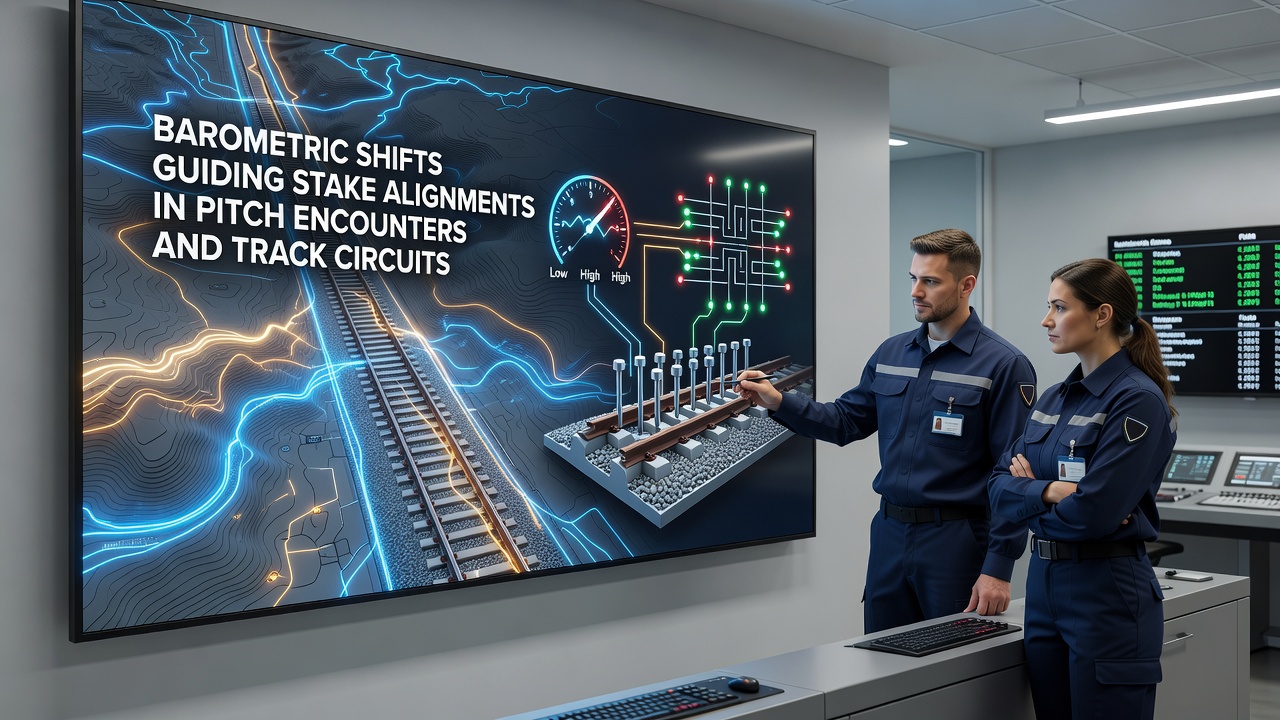
What's interesting is how portable weather stations now feed directly into alignment software, allowing automatic compensation for density changes without halting work. Studies published by university engineering departments confirm that this integration shortens setup times while maintaining the geometric accuracy required for professional competition surfaces.
Equipment Calibration Protocols
Calibration routines incorporate barometric input at three stages: initial site survey, mid-process verification, and final sign-off. When pressure rises quickly, crews tighten tolerances on string lines to counteract the slight contraction in measured distances; when pressure falls they allow marginal expansion. Racing circuit operators often coordinate with national meteorological services to receive advance warnings of fronts that could affect rail curvature measurements over long straight sections.
Those who've studied these protocols observe that combining pressure data with temperature and humidity readings produces the most reliable correction factors. A joint report from Canadian and Australian research institutions highlighted successful application of such combined datasets at facilities hosting both pitch sports and circuit events within the same complex.
Conclusion
Barometric shifts continue to guide stake alignment procedures across soccer pitches and racing circuits because atmospheric density directly influences the precision of modern surveying tools. Continued adoption of real-time pressure monitoring supports consistent equipment placement regardless of weather system movements, as demonstrated by operational records through June 2026 and earlier periods. Organizations maintain these practices to meet the geometric standards demanded by governing bodies in multiple regions.