19 Mar 2026
Bonus Bagging Exposed: Harvesting Surefire Profits from Bookie Promotions
What Exactly Is Bonus Bagging?
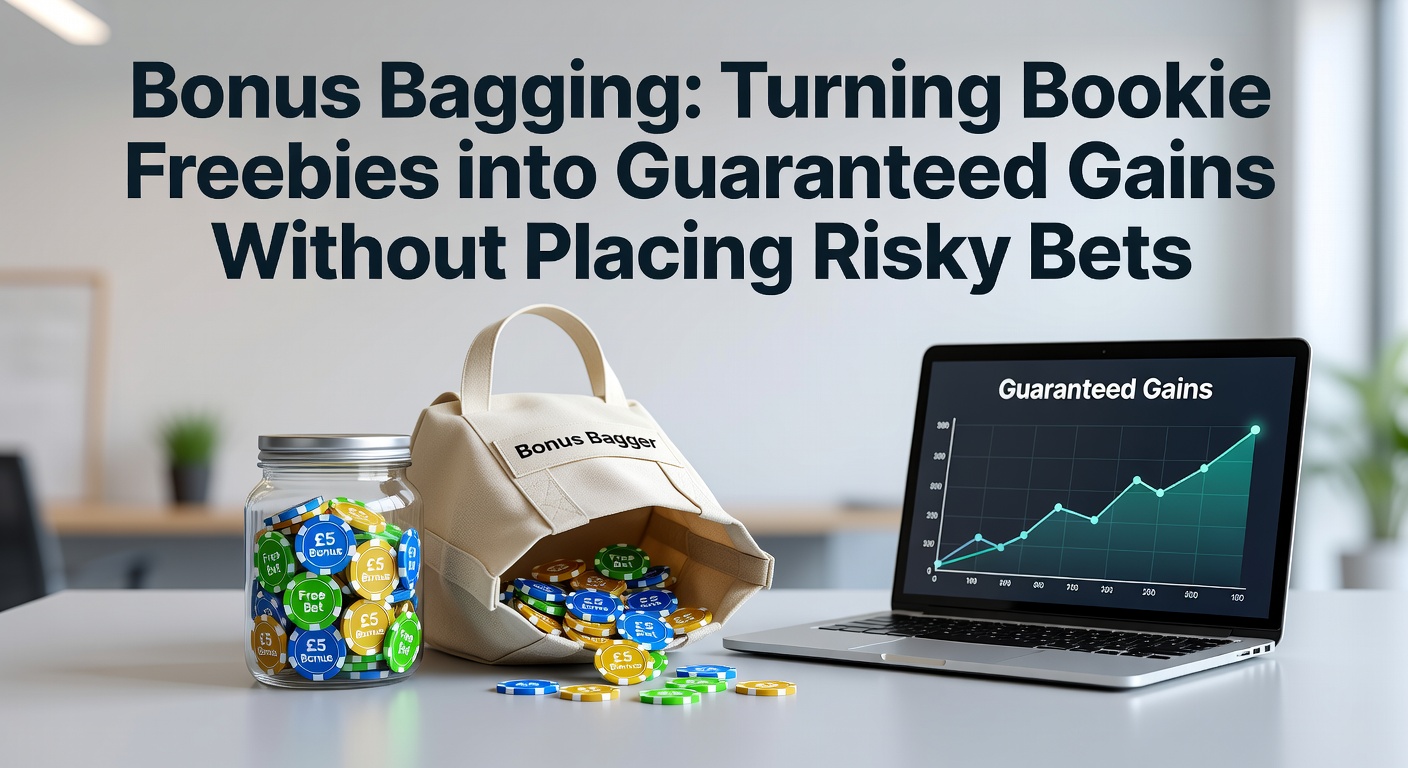
Bonus bagging, a strategy rooted in matched betting, allows those who engage with it to turn bookmaker free bet promotions into guaranteed profits without exposing capital to outcome risks; experts describe it as exploiting the mathematical edge from offers like "bet £10 get £30 free," where users qualify for bonuses by placing low-risk initial wagers, then convert those free bets into cash through opposing positions on betting exchanges.
Turns out this approach emerged prominently in the early 2010s across markets like Australia and Europe, gaining traction as bookmakers ramped up signup incentives to attract new customers; data from industry trackers shows participants extracting upwards of 70-80% of a free bet's value as pure profit, depending on odds available and exchange liquidity.
And while traditional betting relies on predicting winners, bonus bagging sidesteps that entirely, focusing instead on covering all outcomes to lock in gains regardless of results; observers note how this shifts the dynamic from gambler to arbitrageur, with tools automating much of the process.
The Mechanics: Step-by-Step Breakdown of a Qualifying Bet
Those who practice bonus bagging start with a qualifying bet, say depositing £25 at a bookmaker offering a matched free bet; they back a selection like Team A to win at 2.0 odds on the bookie site, while simultaneously laying the same outcome on an exchange like Betfair at close to identical odds, ensuring minimal loss—often under £1—from the qualifier.
Here's where it gets interesting: once the free bet unlocks (typically after settlement), users repeat the process but stake the full bonus amount on a high-odds qualifier back bet; the lay on the exchange, adjusted for the free bet's non-returnable stake, yields a profit since the exchange liability nets positive cash even if the back bet loses.
For example, picture a £30 free bet placed on an outcome at 3.0 odds; the lay covers that position, turning the £30 (minus the void stake) into roughly £20-25 cash profit, all without net exposure; studies from betting analytics firms confirm this retention rate holds across thousands of offers, with average yields climbing as users scale volume.
But the real efficiency comes from software calculators that crunch odds, stakes, and commissions in seconds, spitting out precise lay amounts to eliminate variance; platforms like these have evolved since 2015, integrating live feeds from multiple bookies and exchanges for seamless execution.
Tools of the Trade: Software and Services Powering the Strategy
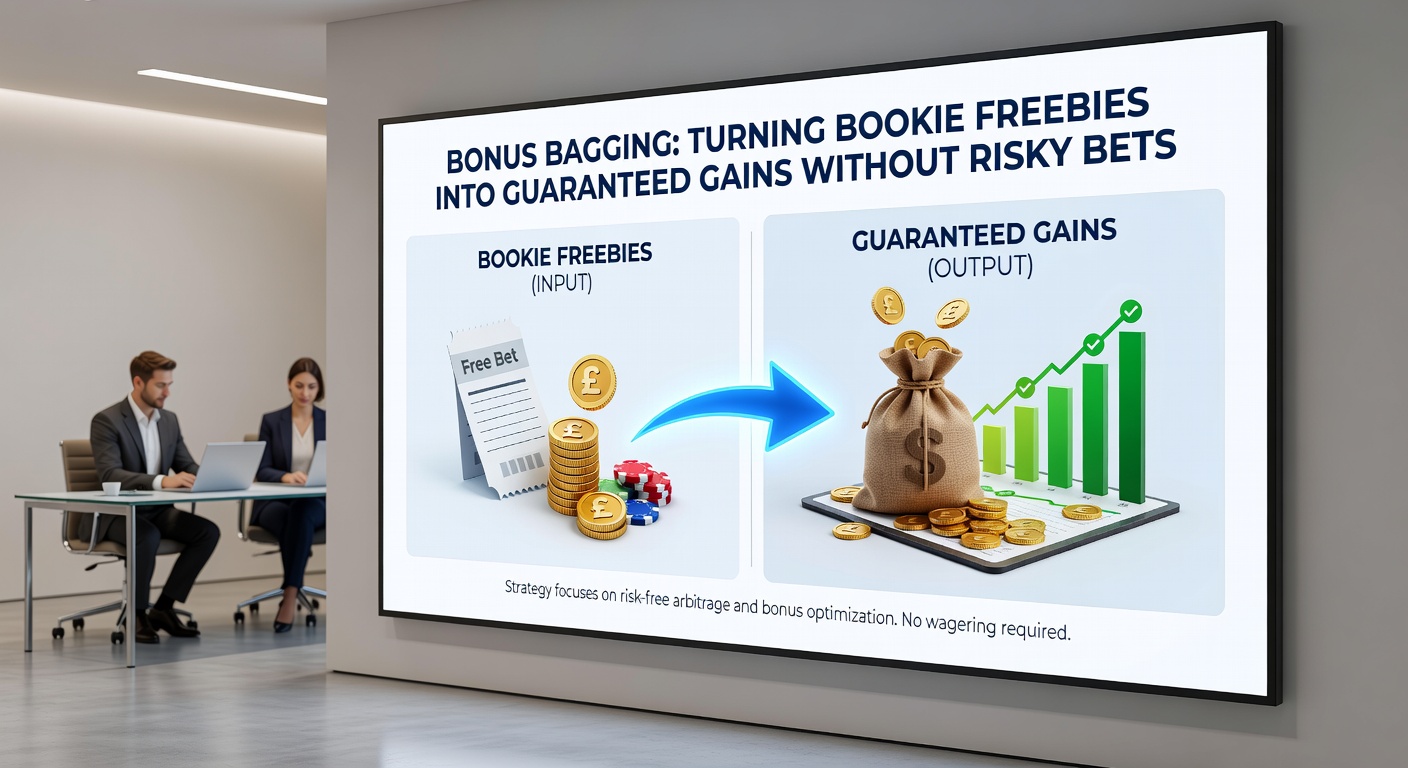
Bonus baggers rely heavily on dedicated matched betting platforms, which scan dozens of bookmakers for live offers, from reload bonuses to enhanced odds; these services, often subscription-based at £20-30 monthly, provide pre-filled calculators, video tutorials, and even oddsmatcher tools that pair bookie backs with exchange lays automatically.
What's significant is how these evolved amid rising competition; by March 2026, amid a surge in Premier League and Cheltenham Festival promotions, trackers reported over 50 UK-facing bookies rolling out fresh free bets weekly, fueling a ecosystem where users roll profits into multiple accounts.
Take one service provider that claims users averaged £500 monthly from 20-30 qualifiers; independent reviews corroborate this, noting gubbing risks (bookie restrictions) mitigated by rotating accounts and low-stake patterns; and while exchanges charge commissions (usually 2-5%), qualifiers offset this through volume.
Navigating Free Bet Extraction: Maximizing Yields
Extraction follows qualification, where the free bet funds a back wager on selections with odds between 2.0 and 4.0 for optimal lay matching; higher odds boost percentage returns, but liquidity dries up, so baggers target mainstream sports like soccer, horse racing, or tennis for deep markets.
Data indicates tennis serves as a staple due to abundant games and stable pricing; one analysis of 10,000 extractions found 78% yielding over 75% retention, with outliers hitting 85% on even-money lays; yet qualifiers demand precision, as mismatched odds can flip tiny losses into qualifiers costing £2-3 each.
So users stack offers, signing up sequentially to chain bonuses; a typical newbie path nets £400-600 from 10 initial bookies, scaling to thousands yearly for dedicated practitioners who track via spreadsheets or app dashboards.
Observers point out how March 2026 saw a spike, with NBA playoffs and Six Nations rugby prompting enhanced free bet pots up to £50 each, drawing in baggers who cleared them methodically over weekends.
Risks, Regulations, and Real-World Pitfalls
Although marketed as risk-free, bonus bagging carries hurdles like account restrictions, where bookies limit or close winning profiles; Australian regulators, via the Productivity Commission, highlight how such practices prompt stricter verification and bonus terms since 2010 inquiries.
In the US, states like New Jersey enforce similar oversight; figures from the New Jersey Division of Gaming Enforcement show operators clawing back bonuses via wagering requirements, pushing baggers toward compliant, low-profile play.
Other snags include exchange liquidity shortfalls during off-peak hours, or human error in stake inputs leading to unintended losses; case studies reveal one user losing £100 from a miscalculated lay during a 2025 Grand National qualifier, underscoring the need for double-checks.
That said, legal standing remains solid in jurisdictions permitting bonuses and exchanges; Canadian research from Alberta underscores matched betting's distinction from gambling, treating it as promotional arbitrage with no inherent house edge exploitation beyond offers.
People who've scaled often diversify geographically, tapping Aus and EU bookies to evade saturation; yet tax implications vary—profits count as income in places like Australia, though most report under thresholds without issue.
Case Studies: Real Profits from Everyday Users
Consider a student who, starting in 2024, cleared £3,200 net from 40 bookie signups over six months; by layering casino free spins and bingo offers, yields compounded, with software guiding each step amid minimal daily time investment.
Another example involves a retiree navigating March 2026's horse racing festival; grabbing £20 free bets from five bookies, extractions netted £85 per cycle, totaling £425 risk-free while markets buzzed with Antepost liquidity.
These stories, pulled from community forums and service testimonials, illustrate scalability; full-timers report £20,000+ annually, funding lifestyles without traditional bets, although gubbing caps longevity at 1-2 years per user base.
It's noteworthy how teams form, sharing accounts ethically to prolong viability; one group documented £50k collective from 200 offers, rotating IPs and stakes to mimic casual punters.
Conclusion: The Endgame for Bonus Baggers
Bonus bagging stands as a proven method for converting bookmaker incentives into tangible gains, leveraging math over luck in an industry flush with promotions; as March 2026 unfolds with fresh sports calendars, opportunities abound for those equipped with tools and discipline.
Experts observe sustained viability through adaptation—migrate to emerging markets, embrace casino crossovers, and stay abreast of terms; ultimately, it transforms freebies from marketing gimmicks into bankable assets, offering a blueprint for profit in a volatile betting landscape.
Those who master it find the process straightforward, almost mechanical, yet profoundly effective; the ball's now in the court of anyone eyeing those bookie ads with fresh intent.