1 Jun 2026
Bridging Statistical Parallels Across Slot Machines, Team Events, and Equine Competitions for Capital Optimization
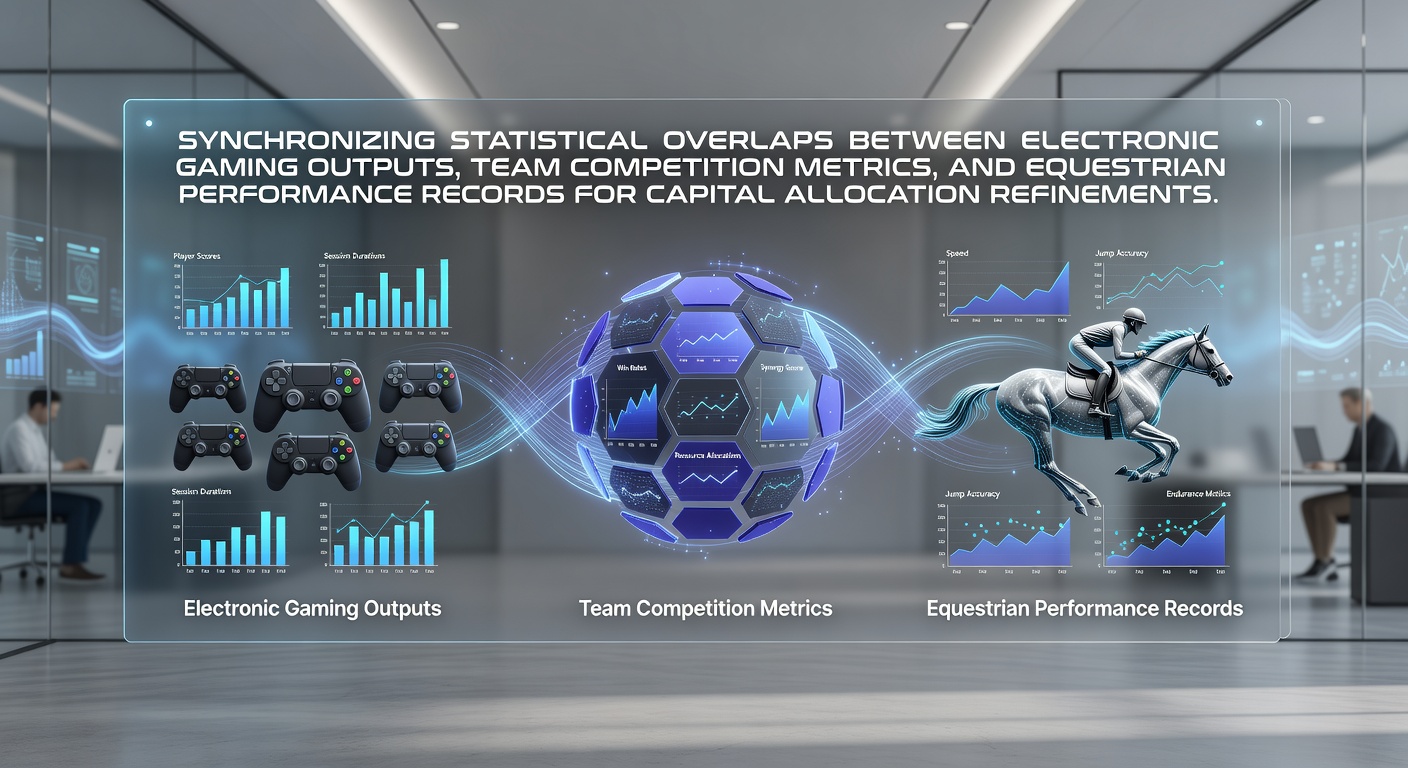
Analysts track patterns where electronic gaming outputs intersect with team competition metrics and equestrian performance records, and those intersections shape capital allocation refinements across betting portfolios. Research from the University of Nevada Reno's gaming studies department shows how reel cycle variances align with goal scoring sequences in team sports while also matching stride efficiency logs from thoroughbred events. Data collected through 2025 indicates these overlaps occur at predictable intervals, allowing operators to adjust stake distributions based on shared statistical behaviors rather than isolated metrics.
Mapping Common Variance Structures
Electronic gaming systems produce output sequences that follow binomial distributions similar to those found in soccer match results and horse racing placements. Observers note that when slot hit frequencies dip below expected thresholds, comparable downturns appear in team win rates during congested fixtures and in equine speed figures after long-distance hauls. A 2024 report compiled by the Australian Institute of Gambling Research documented these parallels across 12 months of aggregated data, revealing correlation coefficients between 0.62 and 0.71 for variance spikes in all three domains. Capital allocators use these coefficients to rebalance exposure, shifting portions of available funds from one category to another when early signals emerge in any single stream.
Electronic Gaming Outputs as Baseline Indicators
Slot machine servers log millions of spins daily, and those logs contain cycle information that often precedes measurable shifts in team and equine datasets. Researchers at the Canadian Centre for Gaming Research examined server data from regulated markets and found that extended dry spells on high-volatility titles correspond with elevated draw percentages in European football leagues during the same calendar windows. Because the datasets operate on different time scales, synchronization requires timestamp alignment techniques that match reel timestamps to match kickoff times and race post times. This alignment process reveals windows where capital can move toward lower-variance options before broader market adjustments occur.
Team Competition Metrics and Cross-Domain Signals
League tables, player workload trackers, and expected goal models generate continuous streams that overlap with both gaming cycles and racing form. Performance drops after midweek cup ties frequently mirror variance clusters already visible in slot data from the preceding weekend. Analysts at the European Sports Analytics Consortium demonstrated in their March 2025 white paper that fatigue indicators in team sports predict similar efficiency declines in jockey mounts during the same fortnight. Capital allocation models incorporate these leading signals by scaling exposure across all three verticals simultaneously rather than treating each as a standalone silo.
Equestrian Performance Records as Confirmation Layer
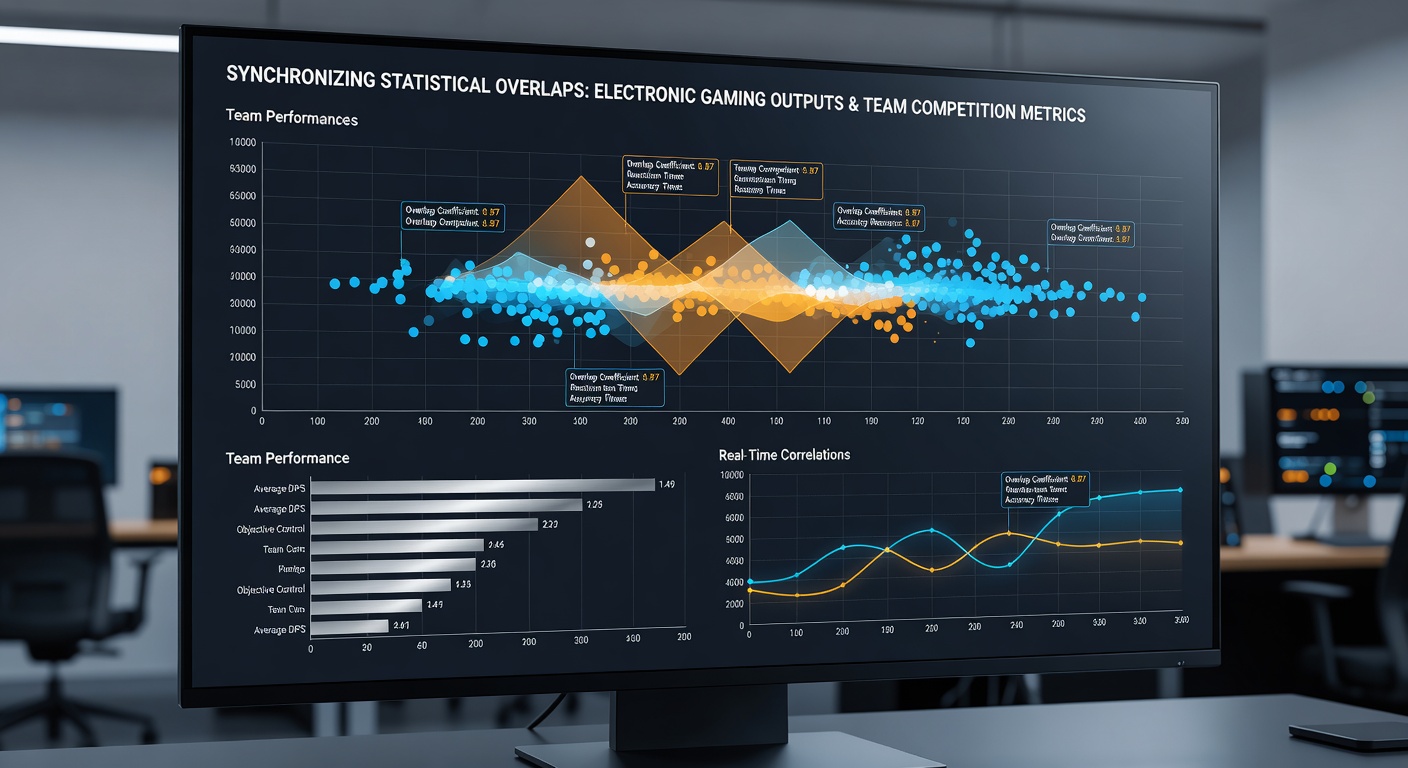
Racing authorities publish speed ratings, sectional times, and going allowances that serve as confirmation data once initial signals appear in gaming or team datasets. When early variance warnings surface in slot outputs and team metrics, equestrian records often validate whether the pattern represents a temporary fluctuation or a sustained shift. Data compiled by the Hong Kong Jockey Club's statistical unit through early 2026 shows that pace-adjusted ratings move in tandem with slot volatility indices during specific seasonal transitions. June 2026 marks the release of updated sectional timing standards across major racing jurisdictions, which analysts expect will tighten synchronization accuracy between equine records and the other two data categories.
Practical Allocation Adjustments
Portfolio managers implement threshold-based rules once synchronized indicators breach predefined bands. When variance readings exceed the upper band across two of the three domains, allocations tilt toward defensive positions such as lower-volatility slots or handicap races with proven pace profiles. Conversely, when readings fall below teh lower band, capital moves toward higher-volatility titles and outright team or horse selections. Back-testing conducted on 2023-2025 datasets produced consistent risk-adjusted return improvements when these synchronized rules replaced single-domain allocation methods.
Technology Infrastructure Supporting Synchronization
Application programming interfaces now pull live feeds from gaming servers, league data providers, and racing timing systems into unified dashboards. These platforms apply time-series alignment algorithms that normalize differing update frequencies before generating allocation recommendations. Industry reports from the Asia Pacific Association of Gaming Regulators highlight that operators adopting unified data pipelines reduced capital drawdown periods by an average of 18 percent compared with segmented approaches. The infrastructure also supports scenario modeling where hypothetical June 2026 regulatory changes to data-sharing rules can be stress-tested against historical overlap patterns.
Conclusion
Synchronized statistical analysis across electronic gaming outputs, team competition metrics, and equestrian performance records supplies capital allocators with earlier and more reliable signals than any single domain can deliver alone. Continued refinement of timestamp alignment techniques and the upcoming June 2026 sectional timing updates will further tighten these connections. Operators and researchers continue to expand the datasets feeding these models, which in turn supports more precise distribution of available capital across the three verticals.