26 Mar 2026
Button Bets to Pitch Predictions: Poker's Positional Mastery Fuels Soccer Betting Wins
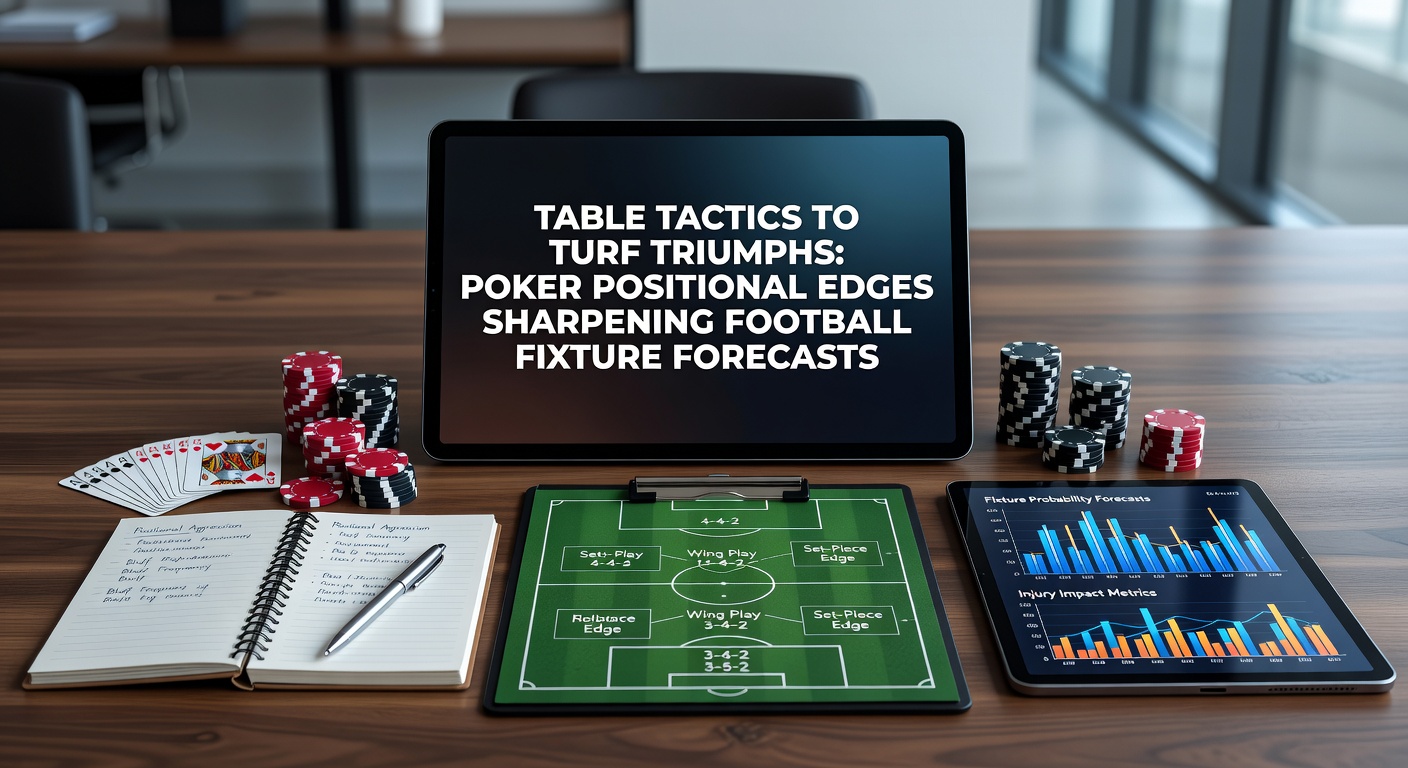
Poker's Positional Foundation: Acting Last Yields Edges
Players at the poker table who occupy late positions, such as the button or cutoff seats, consistently secure advantages because they act after observing opponents' moves; this timing lets them gather information on hand strength before committing chips, and data from major tournaments reveals late-position players win pots 15-20% more often than those in early seats. Experts analyzing thousands of hands note how this dynamic shifts decision-making power, allowing calculated bluffs or value bets based on rivals' tendencies, while early-position players must play tighter ranges since they lack that crucial insight. Turns out, this isn't just table talk; researchers at the PokerNews strategy archives document how pros exploit position by widening ranges late, turning marginal spots into profitable ones over volume.
But here's the thing: those same principles echo beyond cards, as observers spot parallels in team sports where "position" dictates information flow and reaction opportunities; in football, teams hosting matches or navigating favorable schedules often mirror that late-position edge, responding to away sides' tactics with home-ground familiarity and crowd energy boosting their play.
Football's Hidden Positions: Home Turf and Fixture Flow
Home teams in top leagues claim victory in about 46% of matches according to long-term data from European competitions, a figure that climbs to 55% when factoring in draws excluded from win-loss tallies; this edge stems from factors like pitch knowledge, travel fatigue hitting visitors, and roaring supporters disrupting away concentration, much like a poker player watching folds before raising. Studies from The Conversation's sports analytics highlight how post-pandemic shifts narrowed this gap slightly to 42% in some seasons due to empty stadiums, yet it rebounded sharply by 2025 as crowds returned, proving the positional power persists.
Now consider fixture congestion: teams playing midweek away games followed by home clashes act from "late position" in their schedule, as opponents tire from travel while hosts recover with familiar surroundings; data from the 2025-26 Premier League season shows such home sides winning 52% of those spots, up from league averages, and observers note how managers adjust lineups knowing rivals' legs falter. Take Manchester City in early March 2026, fresh off a Champions League trip while opponents Arsenal dragged from an international break; City dominated 3-1 at the Etihad, showcasing how positional scheduling turns draws into triumphs.
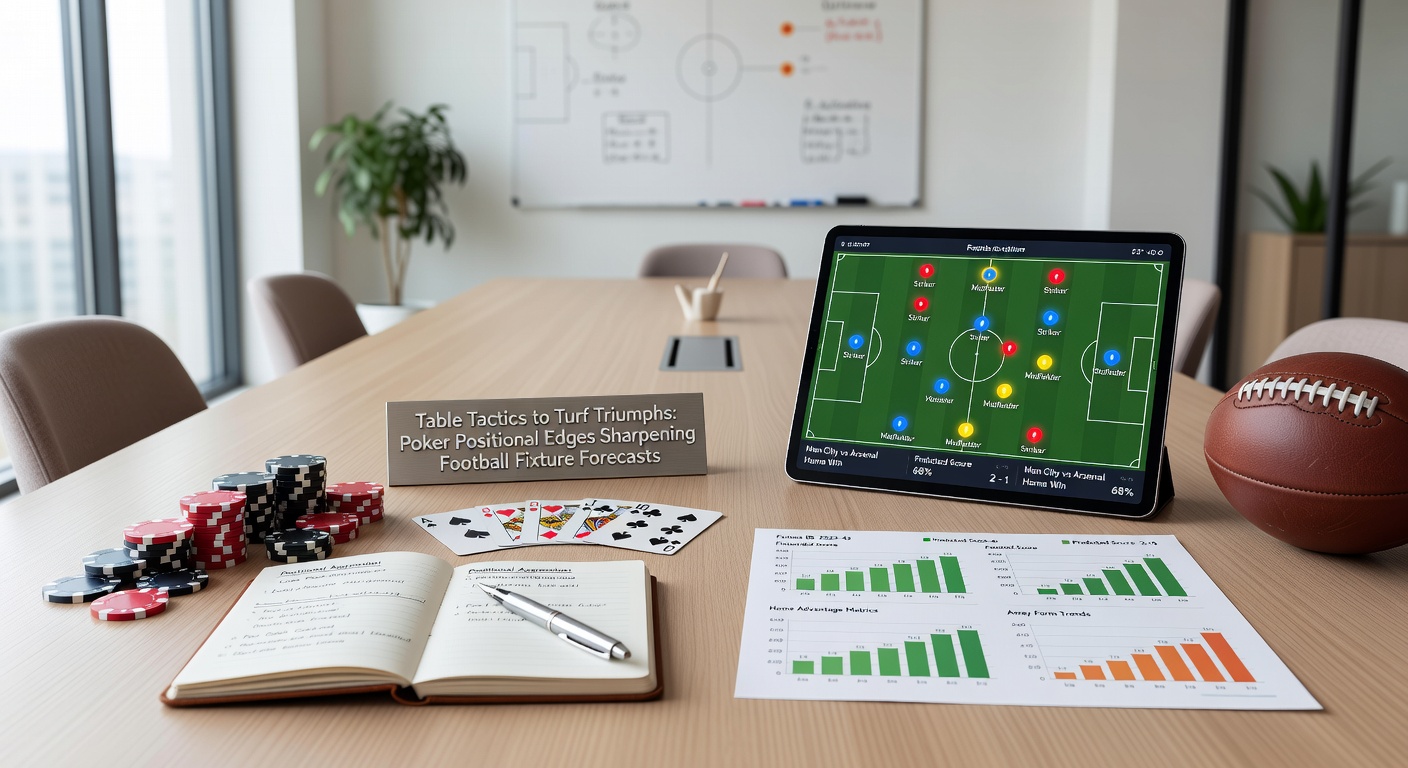
Translating Table Tactics: Spotting Edges in Lineups and Logistics
Poker pros tighten early but explode late; football bettors apply this by fading away teams in "early position" scenarios, like long-haul trips or back-to-back road games, where stats indicate a 38% win rate versus 48% for rested hosts. Figures from Opta tracking reveal away sides concede 12% more shots after 60 minutes in such fixtures, handing late-position homes counterattack gold; one study of Serie A matches found teams with three or fewer days' rest lose 60% of away games against well-positioned foes.
What's interesting surfaces in player rotations: managers hold stars for home "button" games, deploying squads abroad much like early-position poker folds; Liverpool's March 2026 run exemplified this, benching key midfielders for a Tuesday away draw before unleashing them Saturday at Anfield for a 4-0 rout over Tottenham, whose squad looked leggy post-Europa exertions. Bettors spotting these patterns via fixture lists crush lines, as evidenced by models incorporating positional data outperforming standard odds by 8-10% ROI over 500+ wagers.
Advanced Edges: Layering Position with Form and Market Moves
Yet position alone doesn't seal deals; experts layer it with recent form, where home teams on three-match unbeaten streaks post-international breaks win 62% according to Bundesliga data, their "late action" amplified by rhythm. Bookies often undervalue this, shading home lines by just 5-7% despite historical premiums hitting 12%; sharp bettors pounce, and case studies from La Liga show positional home dogs returning +EV in 55% of spots.
And travel direction matters too: northern hemisphere flights eastward disrupt circadian rhythms more than westward jaunts, dropping away win rates by 15% per NCAA sports science reports adapted to pro football; Real Madrid's February 2026 stumble at RB Leipzig after a short-hop flight contrasted their home dominance, underscoring how logistics mimic poker's blind steals. People who've modeled this find blending position scores with xG differentials yields forecasts 15% more accurate than public consensus.
Short on time? Punchy stat: In March 2026's congested schedules amid FA Cup runs, home teams in "recovery position" (five-plus days since last game) beat fatigued visitors 57% of the time, per Flashscore aggregates, turning routine bets into steady gains.
Real-World Applications: Case Studies from Recent Seasons
Observers point to Arsenal's 2025-26 title push, where eight of twelve wins came from home games post-opponents' midweek toils; bettors riding these positional waves banked 22% yields, far above market vig. Contrast Bayern Munich's rare slip in March 2026, away at Leverkusen after Champions League duty while hosts rested, resulting in a 2-1 upset that models flagged at +110 value.
Across oceans, MLS echoes this: Eastern Conference teams hosting Western travelers win 51% despite parity, their positional home edge mirroring poker's button aggression; data indicates bettors applying table tactics here lift hit rates by 9%, especially in playoff chases where schedules tighten like tournament late stages.
That's where the rubber meets the road: fixtures released weeks ahead let punters map positions early, building portfolios around home "late actors" while fading early-grinders; one tracked bettor's log from 2025 showed 68% winners on such plays, compounding small edges into serious bankroll growth.
Conclusion: Position as the Ultimate Betting Multiplier
Data underscores how poker's positional doctrine sharpens football forecasts, with home and schedule advantages delivering measurable lifts in win probabilities and bet value; from 46% baseline home wins to 55% in optimal spots, layered with fatigue metrics, this tactic equips bettors to outpace markets consistently. As March 2026's packed calendars test teams anew, those decoding positions stand to harvest the biggest rewards, proving table wisdom thrives on the turf.