13 Mar 2026
UK Gambling Commission Locks in New Financial Reporting Rules for Operators Amid Evolving Industry Structures

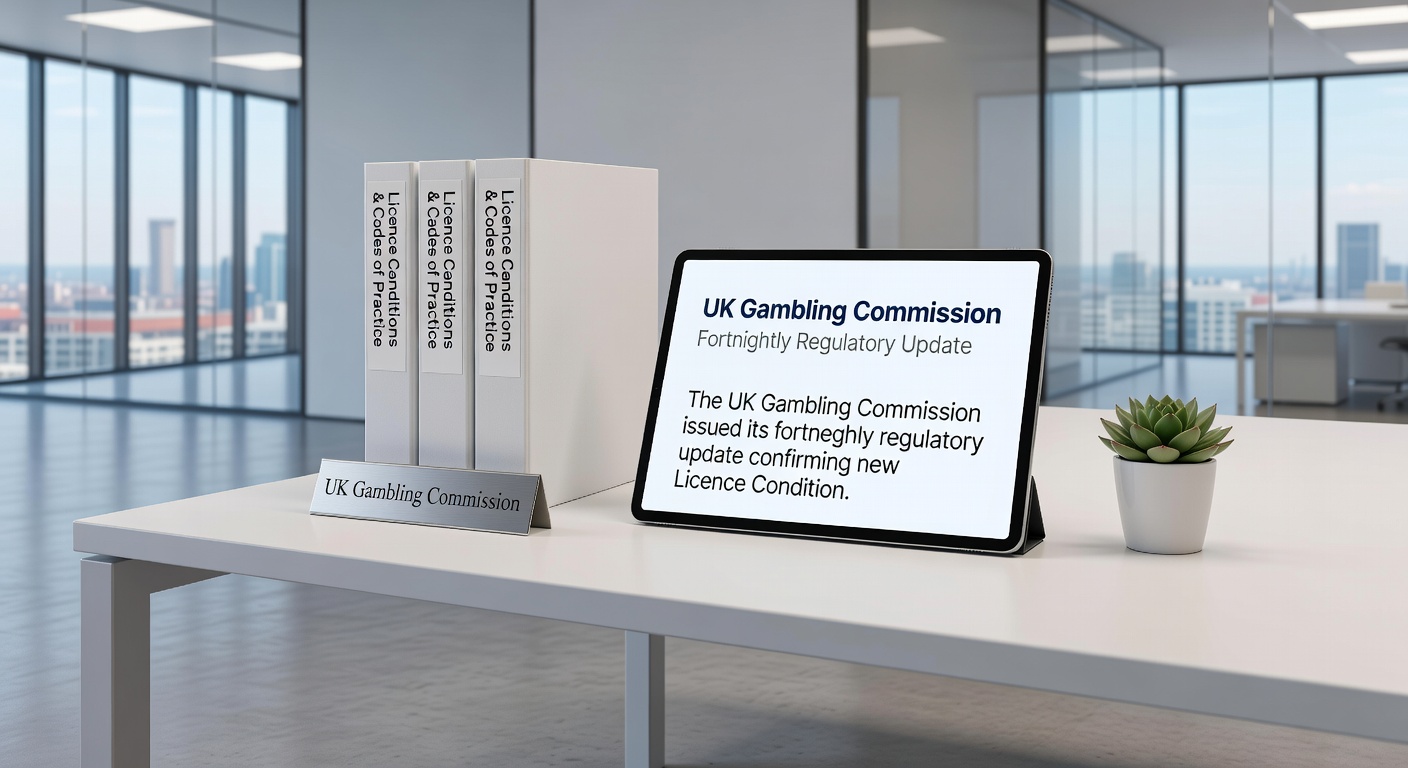
The UK Gambling Commission dropped its latest fortnightly regulatory update, confirming fresh Licence Conditions and Codes of Practice (LCCPs) that target financial key event reporting; these rules kick in on 19 March 2026, designed specifically to handle the tricky world of mergers, acquisitions, and those sprawling global ownership setups that gambling operators navigate daily.
Operators now face clearer mandates to deliver timely, spot-on financial details, which means the Commission can keep a sharper eye on shifts that might ripple through the industry, whether it's a big buyout or a cross-border ownership tweak; this comes as no surprise to those who've watched the sector consolidate, with deals popping up left and right, but here's the thing, it levels the playing field by ensuring everyone reports consistently.
Unpacking the New LCCPs: What Operators Need to Know
At the heart of this update sit the revamped LCCPs on financial key event reporting, which demand that licensees flag significant financial happenings pronto; think major transactions like mergers where one operator swallows another, acquisitions that shuffle assets around, or ownership structures getting tangled in international webs, all requiring prompt disclosure to avoid blind spots in regulatory oversight.
Effective from that 19 March 2026 date, these conditions build on existing frameworks but sharpen the focus, mandating structured reports that capture the full picture of financial health and structural changes; operators must submit details on events that could impact their stability or compliance, using standardized formats that cut through the noise of complex deals.
Take one scenario experts often cite, where a UK-based online casino giant merges with an overseas slots provider; under the old rules, reporting might lag, leaving regulators guessing about solvency risks, but now, with these LCCPs in play, disclosures happen swiftly, allowing the Commission to assess influences on consumer protection or market fairness before issues snowball.
And while the rules don't overhaul everything overnight, they plug gaps exposed by recent industry moves, such as those high-profile consolidations that reshaped betting landscapes; data from prior updates shows operators handling billions in gross gambling yield (GGY) annually, so accurate reporting isn't just paperwork, it's the backbone of a stable sector.
Key Requirements at a Glance
- Immediate notification of financial key events, including mergers and acquisitions.
- Detailed breakdowns of global ownership changes affecting UK operations.
- Standardized templates for submissions to streamline Commission reviews.
- Penalties for delays or inaccuracies, tied to existing enforcement powers.
Those who've dug into past Commission guidance note how this evolves from softer prompts, turning them into binding codes that operators can't sidestep; it's straightforward, really, yet transformative for how the regulator tracks the money flowing through casinos, sportsbooks, and lotteries alike.
The Bigger Picture: Why Timing and Transparency Matter Now
But here's where it gets interesting: this update lands amid a flurry of industry shifts, with operators grappling ever-more intricate structures as they chase growth overseas or snap up competitors; the Commission, spotting patterns in deal-making, rolled out these measures to ensure financial transparency keeps pace, preventing scenarios where hidden ownership layers obscure risks to players or the market.
Figures from the Commission's recent official statistics underscore the stakes; for instance, quarterly data reveals steady GGY climbs, signaling robust activity that demands vigilant oversight, especially as global players entwine with UK licenses. (Statistics drawn from the Quarterly industry statistics (July to September 2025), highlighting trends feeding into these reforms.)
Observers point to cases like multinational firms restructuring post-Brexit, where ownership chains span continents, complicating due diligence; the new LCCPs cut through that by requiring licensees to map out these links clearly, so regulators can verify ongoing suitability under the Licence Conditions.
What's notable is the lead time, too, giving operators over a year from announcement to prep systems and train teams; that buffer acknowledges the tech upgrades many will need, from automated reporting tools to compliance dashboards, ensuring the 2026 rollout doesn't trip up legitimate businesses while weeding out the sloppy ones.
Yet the update doesn't stop at future rules; it spotlights the Commission's fresh batch of official stats, painting a data-rich portrait of sector performance that contextualizes these changes, showing how financial visibility ties directly to protecting the £15 billion-plus industry from volatility.
Tying into Broader Reforms: The Gambling Act Review Evaluation
Running parallel to these LCCPs, the fortnightly bulletin flags the Commission's ongoing evaluation of the Gambling Act Review, a massive undertaking that's been reshaping the regulatory landscape since its inception; this review, sparked by years of calls for modernization, probes everything from online staking limits to affordability checks, but financial reporting emerges as a cornerstone.
Researchers tracking the process have observed how key event disclosures feed into larger goals, like bolstering the regulator's powers against illicit finance or undue influence; as the evaluation progresses, these new codes serve as a proving ground, testing how operators adapt before wider Act amendments drop.
One study highlighted in Commission circles found that delayed financial reports correlated with higher compliance breaches in merged entities, a red flag that prompted these targeted LCCPs; it's not rocket science, but codifying it ensures the industry stays ahead of risks that could erode public trust.
And while details on the Act review remain fluid, with consultations wrapping up adn white papers in the works, this update signals alignment, where financial transparency underpins reforms aimed at a safer, more accountable gambling ecosystem.
People in the know, from compliance officers to legal eagles at firms like Entain or Flutter, have started auditing their setups early, anticipating how global holdings will need fresh mapping; that's the reality, proactive steps now prevent headaches later, especially with enforcement ramping up.
Industry Reactions and Practical Impacts
Across operator boardrooms, the response has been measured yet focused; trade bodies like the Betting and Gaming Council have nodded to the rationale, stressing that clearer rules aid legitimate players while industry stats show most already meet high bars, but outliers benefit most from the nudge.
Practically speaking, smaller operators with straightforward structures face lighter lifts, tweaking policies here and there, whereas conglomerates untangle offshore webs, investing in software that flags key events automatically; one case saw a mid-tier bookmaker overhaul its reporting post a minor acquisition, emerging stronger under Commission scrutiny.
Turns out, this dovetails with tech trends too, as AI-driven compliance tools proliferate, making the 2026 deadline feel achievable rather than daunting; experts who've implemented similar regimes elsewhere, like in Australia or parts of Europe, report smoother audits and fewer fines once systems click.
So as March 2026 approaches, the sector braces for a more transparent era, where financial key events no longer hide in deal memos but light up regulator dashboards promptly and precisely.
Conclusion: A Step Toward Robust Oversight
In wrapping up this fortnightly update from the UK Gambling Commission, the new LCCPs stand out as a pragmatic fix for modern challenges, ensuring mergers, acquisitions, and global ownerships don't outpace regulatory sight; paired with fresh stats and Act review momentum, it paints a picture of an industry evolving under watchful eyes.
Operators gear up for 19 March 2026, refining reports that safeguard consumers and markets alike, while the Commission builds a firmer foundation; that's the crux, transparency fueling trust in a sector where stakes run high, and where better data means better decisions all around.
Those monitoring the beat will watch closely as implementation unfolds, but for now, the message rings clear: report right, report fast, and keep the complex structures in check.