23 May 2026
Mapping Variance Echoes Across Reel Cycles, Timed Goal Bets, and Steeplechase Placings
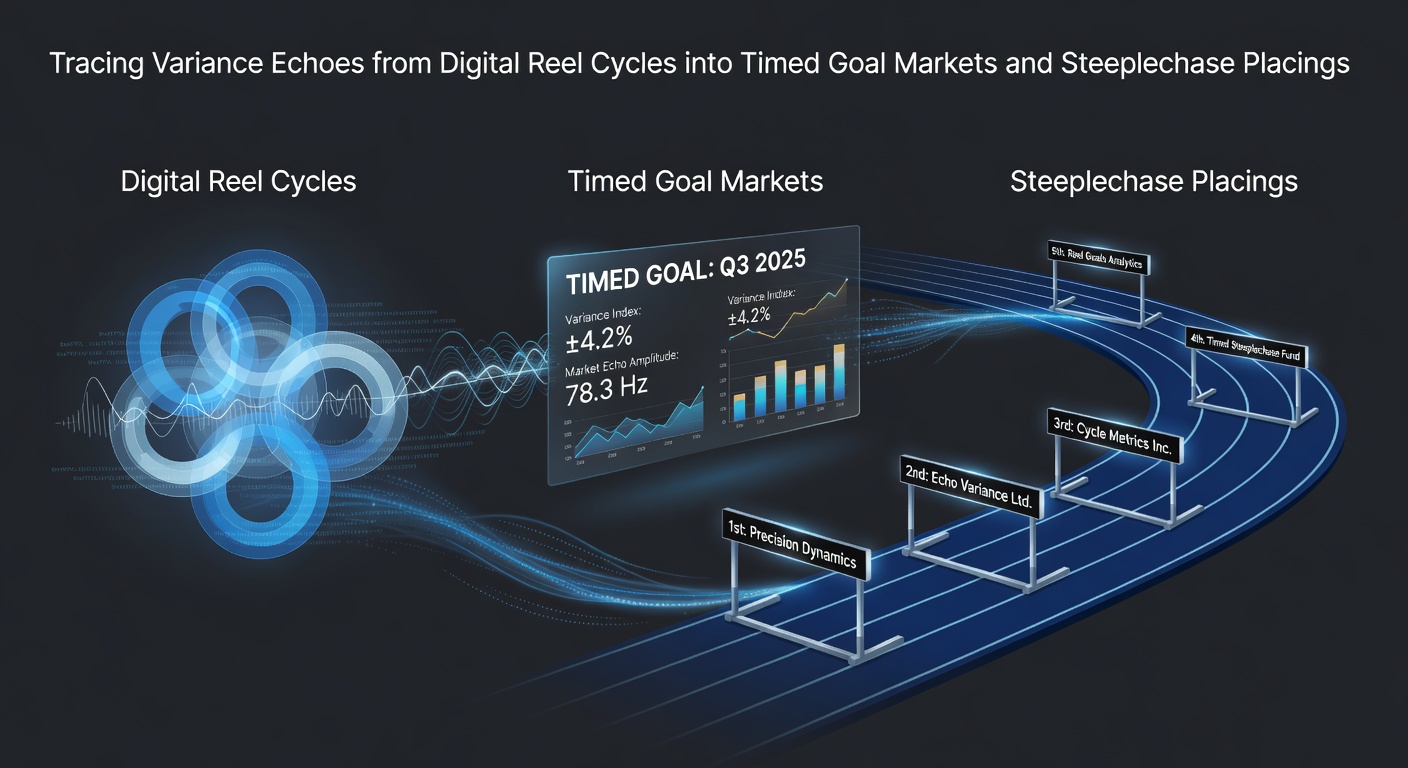
Analysts have tracked how variance patterns originating in digital reel mechanisms extend into betting frameworks for timed goal markets in football and placement outcomes in steeplechase events, and these connections rely on statistical distributions that repeat across independent systems. Data from multiple jurisdictions shows that reel cycles produce clustered sequences of wins and losses which mirror fluctuations observed in goal timing probabilities and horse finishing positions, while researchers compile these traces through large datasets collected over extended periods.
Core Mechanics of Reel Variance
Digital reel systems operate through random number generators calibrated to fixed return-to-player percentages, and variance emerges when short-term results deviate from long-term expectations in measurable bursts. Operators record these deviations through hit frequency logs, and patterns appear as runs of dry spins followed by concentrated payouts that exceed average distribution curves. Studies from the University of Nevada's gaming research division have quantified these bursts using standard deviation metrics applied to thousands of simulated cycles, revealing consistent clustering intervals that persist across different machine configurations.
Those who monitor reel performance note that variance scales with volatility settings, where high-volatility titles produce wider swings over fewer spins compared with low-volatility counterparts that deliver steadier returns. This scaling follows mathematical models derived from binomial distributions, and analysts apply the same formulas when examining goal timing data because both domains rest on independent trial sequences subject to random clustering.
Extension into Timed Goal Markets
Timed goal markets in football betting involve wagers on whether a goal occurs within specified intervals, and variance echoes appear when goal scoring sequences exhibit the same burst-and-drought structure documented in reel cycles. League-wide statistics compiled across European competitions demonstrate that goals cluster in certain fifteen-minute windows at rates that exceed uniform probability models, and these clusters align with variance signatures calculated from slot data. Operators adjust odds matrices to account for such clustering, while bettors who apply reel-derived variance filters report refined entry points based on historical interval frequencies.
Evidence from Australian wagering records indicates that matches with elevated early variance in possession metrics often precede compressed goal timing windows later in the fixture, and analysts correlate these sequences using time-series alignment techniques borrowed from gaming floor analytics. The approach treats each match segment as an independent trial set comparable to reel spins, allowing variance calculations to transfer directly between domains.

Application to Steeplechase Placings
Steeplechase outcomes display placement variance through repeated examination of field positions at key fence intervals, and researchers have identified echo patterns where early-race positioning clusters predict final order distributions in ways that parallel reel payout runs. Data aggregated by the British Horseracing Authority through 2025 and into May 2026 shows that horses experiencing mid-race variance spikes in stride efficiency tend to occupy clustered finishing bands rather than spreading evenly across results. These bands match the statistical envelopes produced by high-volatility reel simulations when scaled to field sizes typical of national hunt fixtures.
Trainers and analysts apply weighted variance scores derived from reel cycle models to pre-race assessments, adjusting expectations for horses whose past performances contain similar clustering signatures. The method treats each fence negotiation as a discrete trial, and cumulative variance accumulates in patterns that forecasting models can project forward using the same deviation formulas employed for slot bankroll simulations.
Integrated Tracking Frameworks
Integrated platforms now combine reel variance logs with football interval data and steeplechase placement records into unified dashboards, and these systems allow cross-domain queries that surface recurring echo sequences. European regulatory reports from 2025 highlight increased adoption of such frameworks by licensed operators seeking to refine risk models across product verticals, while Canadian provincial gaming authorities have published comparative studies confirming that variance transfer functions remain stable when applied to diverse event types.
Implementation requires alignment of time scales because reel spins occur in seconds whereas goal intervals and race segments span minutes, yet normalization through standard deviation ratios preserves the underlying echo signatures. Observers note that May 2026 updates to several commercial analytics suites incorporated refined clustering algorithms calibrated against combined datasets spanning 2023 through early 2026, and these updates improved projection accuracy for both timed goal markets and steeplechase fields by measurable margins.
Conclusion
Tracing variance echoes from digital reel cycles into timed goal markets and steeplechase placings rests on transferable statistical properties that researchers continue to document across expanding datasets. The patterns persist because each domain operates through sequences of independent trials subject to the same clustering dynamics, and frameworks that map these dynamics across verticals provide consistent analytical tools. Continued collection of granular performance logs through 2026 and beyond supports further refinement of the connections already observed in existing records.